Education & Culture Glossary
Education & Culture Glossary
Hi, my name is Ivaylo Ivanov. I am 19 years old, and have been studying at Ahuntsic College in a program called "Education & Culture" for two years. Most students have no idea what this program actually is since it isn't as common as other ones and has many classes that uses really different words. This is why I have created this glossary to help students develop a better understanding of the program and maybe even get some of them interested in perusing it. This glossary contains 20 words that are related to "Education & Culture". There will be a definition for each word, an audio pronunciation, an example of the word in use and maybe even an image. I found these words by remembering which words I wasn't familiar with before I started the program, so I advise you to check out this glossary.
- Anthropology
- noun
- The study of human biological and physiological characteristics and their evolution.
- Example: Occupational science examines human behaviour incorporating some Sociology, Psychology, and Anthropology.
- en: Anthropologie

- Biological
- adjective
- Relating to biology or living organisms.
- Example: During the biological science class, the students learned about living organisms and how they survive.
- en: Biologique

- Civil disobedience
- noun
- The refusal to comply with certain laws or to pay taxes and fines, as a peaceful form of political protest.
- Example: It is encouraging a campaign of civil disobedience against the community charge, a campaign that is to be funded by the taxpayer.
- en: Désobéissance civile

- Climate justice
- noun
- Climate justice means finding solutions to the climate crisis that not only reduce emissions or protect the natural world, but that do so in a way which creates a fairer, more just and more equal world in the process.
- Example: We have to fight for climate justice.
- en: Justice climatique
- Cognitive development
- noun
- Cognitive development means the growth of a child's ability to think and reason.
- Example: Vygotsky focused more on learning as a result of social interaction, but stated that cognitive development was limited to a certain range at any given time.
- en: Développement cognitif

- Culture
- noun
- The customs, arts, social institutions, and achievements of a particular nation, people, or other social group.
- Example: This represented a move away from an internal focus and opened up the culture to change.
- en: Culture
- Emotional development
- noun
- Emotional development involves learning what feelings and emotions are, understanding how and why they occur, recognizing your own feelings and those of others, and developing effective ways for managing those feelings.
- Example: It may affect his emotional development by making him feel frightened and in danger.
- en: Développement affectif
- Ethics
- noun
- Moral principles that govern a person's behavior or the conducting of an activity.
- Example: Sam brought suit against MedTech for wrongful discharge, claiming that his actions in calling attention to the problem were mandated by the code of ethics that binds professional engineers.
- en: Éthique
- Geopolitics
- noun
- Politics, especially international relations, as influenced by geographical factors.
- Example: This acknowledges the multifaceted dimensions of an Islamic threat; between the supposed unity of "Islam" and the diversity of its multiple and complex manifestations in the world today, taking shape in various realms - from Geopolitics to socio-economics.
- en: Géopolitique

- Human society
- noun
- A society, or a human society, is a group of people involved with each other through persistent relations, or a large social grouping sharing the same geographical or social territory, typically subject to the same political authority and dominant cultural expectations.
- Example: There will always be conflict in human society, but one point can be made and that is that our extraordinary evolutionary success as a species has depended largely upon our ability to communicate and cooperate.
- en: Société humaine

- International relations
- noun
- International relations attempts to explain the interactions of states in the global interstate system, and it also attempts to explain the interactions of others whose behavior originates within one country and is targeted toward members of other countries.
- Example: Coupled with the disruption to international relations and the economy in general caused by the First World War as well as the increasingly protectionist environment around the world, British services were faced with a completely changed climate within which to operate.
- en: Relations internationales

- Moral development
- noun
- Moral development refers to the process whereby people form a progressive sense of what is right and wrong, proper and improper.
- Example: The way in which children are brought up is of fundamental importance to their moral development.
- en: Développement moral
- Obedience to authority
- noun
- Obedience to authority is the tendency people have to try to please those in charge.
- Example: In the 20s, obedience to authority was the norm and was actually expected of children.
- en: Obéissance à l'autorité

- Philosophy
- noun
- The study of the fundamental nature of knowledge, reality, and existence, especially when considered as an academic discipline.
- Example: The Stoic philosophy of this period serves as a background to the reasoning for these conflicts and punishments.
- en: Philosophie

- Physiological
- adjective
- Relating to the way in which a living organism or bodily part functions.
- Example: The doctor had a test on the physiological reaction of human being.
- en: Physiologique

- Social behavior
- noun
- Social behavior is behavior among two or more organisms within the same species, and encompasses any behavior in which one member affects the other.
- Example: Electronic media nowadays has an impact on social behavior.
- en: Comportement social

- Sociology
- noun
- The study of social problems.
- Example: How can Sociology and Psychology help health and social care professionals to understand the experience of health or the effects of illness disability service delivery on the individual?
- en: Sociologie

- Sustainable energy
- noun
- Sustainable energy is derived from resources that can maintain current operations without jeopardizing the energy needs or climate of future generations. The most popular sources of sustainable energy, including wind, solar and hydro power, are also renewable.
- Example: Wave power is real sustainable energy.
- en: L'énergie durable

- Urbanization
- noun
- The concentration of human populations into discrete areas.
- Example: Mass urbanization appears to have deprived workers of their identity and humanity.
- en: Urbanisation
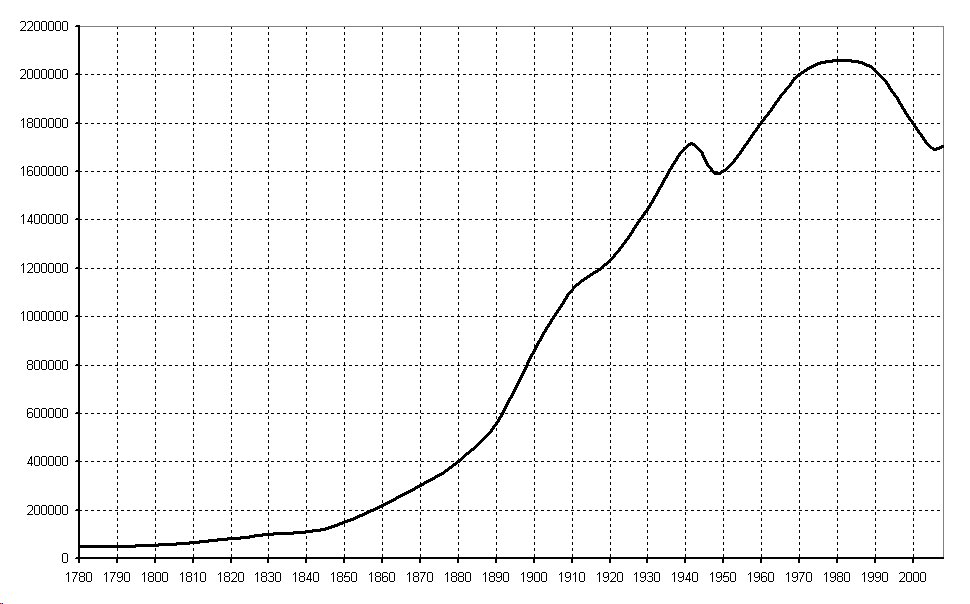
- Utilitarianism
- noun
- The doctrine that an action is right insofar as it promotes happiness, and that the greatest happiness of the greatest number should be the guiding principle of conduct.
- Example: Anglo-American moral and political philosophy has traditionally been premised on "the widely accepted old faith that some form of utilitarianism, if only we could discover the right form, must capture the essence of political morality".
- en: Utilitarisme
Comments
Post a Comment